
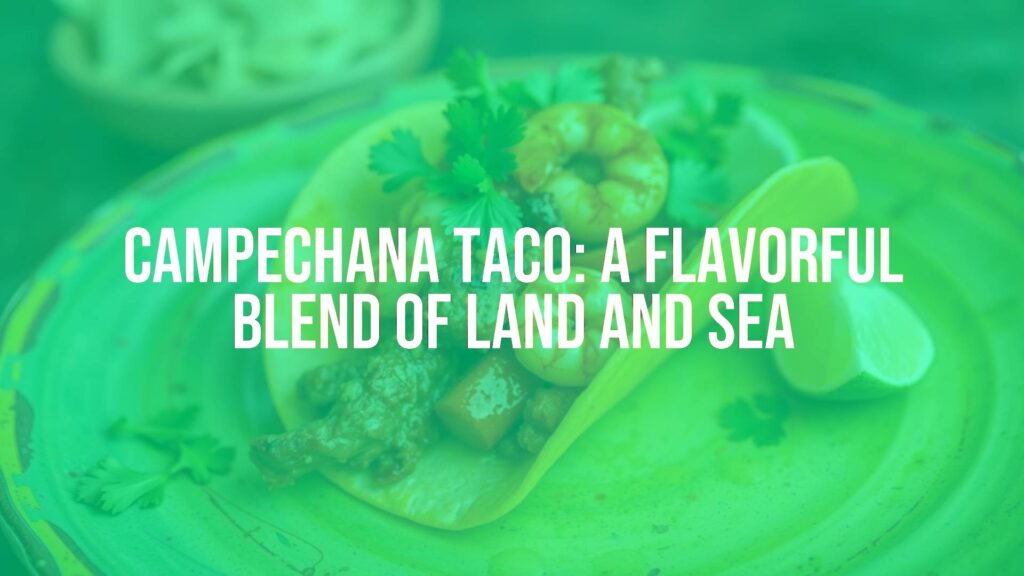
Introduction to Campechana Tacos
The campechana taco is a distinctive and vibrant offering within the wide-ranging universe of Mexican street food. Originating from the same spirit of culinary creativity that influences much of Mexican coastal and inland cuisine, this taco merges a variety of proteins for a uniquely satisfying eating experience. The word “campechano” in Spanish often refers to an easygoing mix or blend, and in the taco world, it typically means a delightful medley of meats—sometimes including seafood—within a single tortilla. Campechana tacos are particularly renowned for their contrasting flavors, textures, and regional variations.
Distinctive Characteristics
What sets the campechana taco apart is its combination of multiple proteins, often mixing beef cuts such as steak, longaniza sausage, chorizo, and sometimes even seafood like shrimp or octopus in certain coastal varieties. This blend typically results in a rich, savory, and layered flavor profile. Each component brings its own texture: sizzling beef, juicy sausage, tender offal, or chewy seafood, creating a dynamic bite. The meats are usually cooked on a large, flat griddle (plancha), allowing flavors to mingle as ingredients caramelize together.
Historical and Cultural Roots
The campechana taco reflects Mexico’s history of fusion and improvisation. While the term has connections to the Gulf port city of Campeche, the “campechano” style is just as at home in Mexico City, where street vendors creatively stretch their offerings. Over time, the campechana taco has become a symbol of Mexican culinary inventiveness—blending Old World ingredients like sausages with indigenous proteins and techniques. Its popularity at taquerías and roadside stands is a testament to the crowd-pleasing nature of hearty and inclusive taco fillings.
Key Ingredients and Essential Components
A classic campechana taco will showcase a combination of at least two meats, with these ingredients often featured:
- Steak (Bistec): Thin beef strips or cubes, simply seasoned and grilled.
- Chorizo or Longaniza: Highly seasoned pork sausage, sometimes spicy, crumbled and cooked until crisp.
- Pork (Cecina or Carnitas): For extra depth, some variations add marinated cecina or rich carnitas.
- Seafood (optional): Regions close to the coast may add shrimp or octopus for a “mar y tierra” (surf and turf) blend.
- Fresh Corn Tortillas: Thick, warm, and pliable to hold the hearty filling.
- Condiments: Diced onions, cilantro, salsas—including smoky red and tangy green varieties—pickled jalapeños or cactus, and a squeeze of lime.
Common Variations and Adaptations
While the foundation of the campechana taco is a mix of proteins, local preferences and taquero creativity inspire countless variations:
- Urban Style: Bistec and chorizo are the most common duo in Mexico City’s campechano tacos.
- Coastal Campechana: Seafood may be added, echoing the flavors of a “campechana cocktail” (a Mexican seafood cocktail blend).
- Vegetarian Take: Grilled mushrooms, nopales (cactus), or soyrizo can substitute for meat in modern adaptations.
- Regional Salsas: Try habanero-based salsas in the Yucatán or smoky chipotle sauces from Central Mexico.
Serving Suggestions and Food Pairings
Campechana tacos are best enjoyed hot from the grill, often with a duo of salsas for layering heat and freshness. A side of pickled vegetables (escabeche), grilled green onions, or refried beans rounds out the experience. As for drinks, a traditional pairing would be a chilled glass of agua fresca—such as tamarind, hibiscus, or horchata. For those preferring alcoholic beverages, a light Mexican beer or a citrusy margarita provides a fine complement to the taco’s robust flavors.
Conclusion
The campechana taco stands as a culinary celebration of Mexico’s love for bountiful, mixed fillings. With its roots in both land and sea, and its adaptability to ingredients on hand, it represents the welcoming spirit of the taco tradition. Whether sampled from a busy Mexican city street or reimagined in home kitchens, this taco offers an exciting and satisfying taste of Mexican diversity.
