
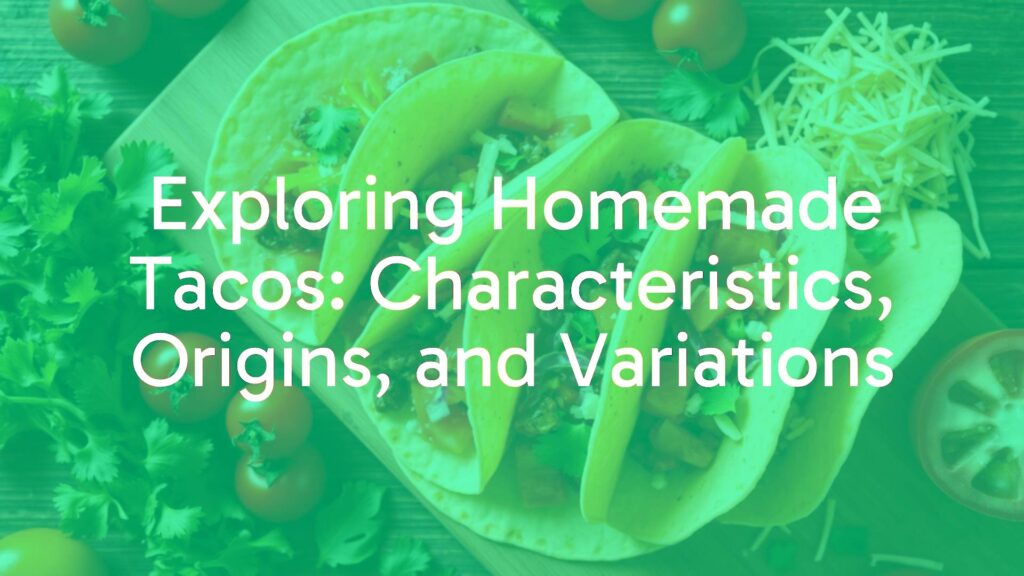
Introduction to Homemade Tacos
Homemade tacos represent the heart of personalized Mexican cuisine, embodying creativity, tradition, and adaptability. Unlike specific regional varieties, homemade tacos are defined by their flexibility and the unique touch of the individual cook. This versatility has cemented their popularity in kitchens worldwide, where families and friends gather to enjoy a customizable meal tailored to their tastes.
What Sets Homemade Tacos Apart?
The defining characteristic of homemade tacos lies in their customizability. While traditional tacos may follow rigid ingredient lists, homemade versions are typically crafted using whatever fresh, available, or preferred ingredients the cook has on hand. As a result, no two homemade tacos are ever exactly the same, making them a beloved canvas for culinary expression. Their appeal is enhanced by the ability to adjust flavor, spice, and texture to anyone’s liking.
Historical Background and Cultural Influences
Tacos in general have a rich history tracing back to pre-Columbian Mexico, where indigenous peoples filled corn tortillas with fish and local produce. As tacos spread beyond Mexico’s borders, they evolved, blending with local food cultures and home traditions globally. The concept of homemade tacos especially thrived with immigration and the rise of home-cooked meals in North America, becoming a staple of weeknight dinners and festive gatherings alike.
Core Components of Homemade Tacos
The essential building block of any taco is the tortilla, which may be corn or flour based, depending on taste and accessibility. Homemade tacos often feature a variety of classic and inventive fillings. Typical ingredients include seasoned ground or shredded meats (such as beef, chicken, pork, or turkey), sautéed vegetables, beans, or even grilled seafood. Fresh toppings — shredded lettuce, diced tomatoes, onions, cilantro, cheese, salsa, avocado, or crema — add layers of texture and flavor. Every home taco enjoys a personal finishing touch, whether it’s a squeeze of lime or a sprinkle of chili powder.
Flavor, Texture, and Appearance
Homemade tacos are admired for their vibrant colors and inviting aromas. The combination of warm tortillas, juicy fillings, crisp vegetables, and zesty sauces produces a symphony of flavors — spicy, tangy, salty, and savory in every bite. Texturally, each taco can offer a delightful juxtaposition of soft, chewy, crunchy, and creamy elements, making them both satisfying and fun to eat.
Popular Variations and Ingredient Adaptations
Homemade tacos offer endless avenues for experimentation. Some families favor plant-based or vegan versions, using grilled mushrooms, jackfruit, or spiced lentils in place of meat. Fish or shrimp tacos with coleslaw and chipotle sauce provide a lighter, coastal twist. Toppings like pickled onions, roasted peppers, or fruit salsas (such as mango or pineapple) bring unexpected freshness. Ingredient swaps—such as whole wheat tortillas for a healthier alternative or dairy-free cheese for lactose intolerant diners—allow homemade tacos to meet any dietary preference.
Serving Suggestions and Pairings
Homemade tacos shine when served family-style, letting everyone build their own with an array of fillings and toppings. They pair wonderfully with classic sides like Mexican rice, refried beans, or corn on the cob. Beverage pairings might include aguas frescas, Mexican-style lagers, or a tangy margarita. For a festive finish, consider serving tacos alongside chips and guacamole or a light salad of jicama and citrus.
Conclusion
With their limitless possibilities and universal appeal, homemade tacos are more than just a meal—they are a creative tradition and a joyful shared experience. Whether enjoyed on a casual weeknight or as part of a special celebration, homemade tacos deliver comfort, flavor, and the flavor of home with every bite.
