
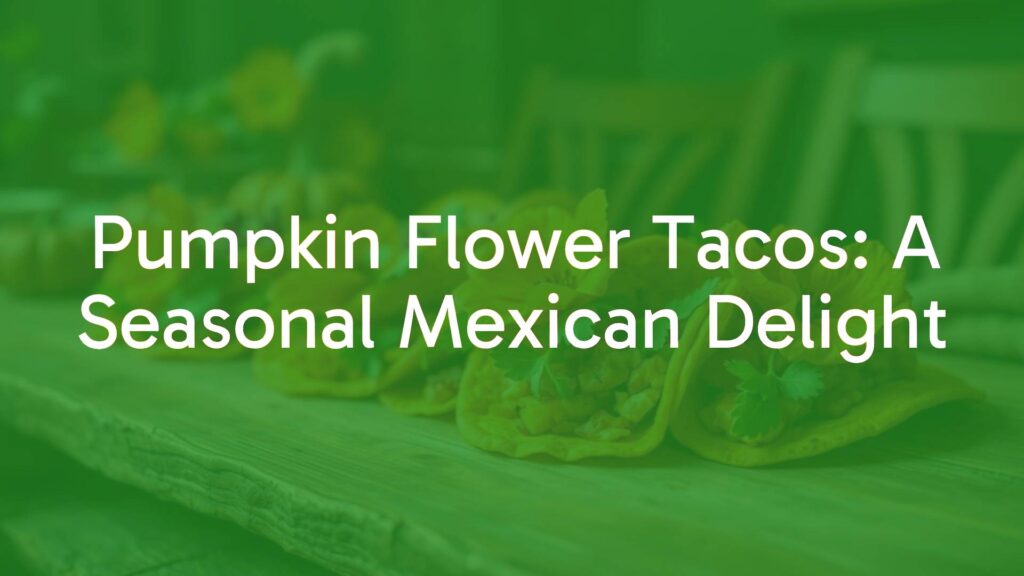
Pumpkin Flower Tacos: A Seasonal Mexican Delight
Celebrating the Unique Taco de Flor de Calabaza
Pumpkin flower tacos, known as tacos de flor de calabaza in Mexico, represent one of the most iconic and cherished uses of edible blossoms in Mexican cuisine. These tacos showcase the delicate, subtly flavored pumpkin flower, transforming a seasonal ingredient into a memorable and beautifully textured dish.
Origins and Cultural Significance
The use of pumpkin flowers in food dates back centuries, with indigenous peoples in Mesoamerica incorporating them into soups, stews, and tamales alongside other squash varieties. Over time, pumpkin flowers became an integral part of rural and urban Mexican kitchens, especially in central and southern regions such as Puebla, Oaxaca, and Mexico City. Their arrival each year marks the rainy season, when these bright orange blooms are at their best, often signaling special meals and community gatherings centered on fresh, local produce.
Defining Features and Key Ingredients
What distinguishes pumpkin flower tacos from other taco varieties is their starring ingredient: the edible blossoms of the pumpkin or squash plant. These flowers, when fresh, have a mildly sweet, vegetal flavor and a soft yet slightly crisp texture. Taco fillings usually feature whole or sliced blooms that are gently sautéed with onions, garlic, fresh herbs (like epazote), and sometimes additional ingredients such as corn kernels or tender zucchini. The filling is typically nestled in warm corn tortillas, bringing out the earthy flavors of the flowers.
Flavor, Appearance, and Texture
Pumpkin flower tacos are visually appealing, often featuring the vivid orange and yellow hues of the flowers against the backdrop of golden corn tortillas. The taste profile is light and fresh, with vegetal and grassy notes from the blossoms, a hint of sweetness from sautéed onions, and subtle herbal undertones. The texture combines the gentle softness of the cooked flowers with the tender chewiness of the tortilla, resulting in a dish that feels satisfying yet delicate.
Traditional Preparation and Variations
Classic preparation methods involve lightly sautéing the pumpkin flowers with aromatics until they are just wilted, preserving their tender-crisp bite and vibrant color. In some regions, cooks add other seasonal vegetables, queso fresco (fresh cheese), or a touch of chile to create more complex flavors. It’s also common to find a splash of cream or a sprinkle of melty cheese added just at the end for extra richness. Some versions embrace additional fillings like mushrooms or nopales (cactus paddles) for more texture and nutrition.
Adaptations and Ingredient Substitutions
While the pumpkin flower is the star, substitutions can be made in regions where it’s less available. Zucchini blossoms are the closest alternative, offering a similar flavor and appearance. For added heartiness, some cooks incorporate leafy greens such as spinach or chard. Cheese options are flexible—queso fresco, panela, or even a mild mozzarella can work well. The focus remains on preserving the dish’s delicate, fresh qualities.
Pairings and Serving Suggestions
These tacos are best enjoyed as a light lunch or appetizer. Traditional accompaniments include salsas made from tomatillos or serrano chiles, a squeeze of fresh lime juice, and perhaps a scattering of chopped cilantro. Pairing these tacos with agua fresca, light beers, or young white wines enhances their subtle flavors. For a heartier meal, they can be served alongside Mexican rice or black beans.
Conclusion
Pumpkin flower tacos embody the spirit of seasonality and resourcefulness in Mexican cuisine. By showcasing the fleeting beauty and flavor of edible blossoms, they offer a delightful, nuanced alternative to heartier meat fillings. Whether enjoyed in a bustling city market or a quiet rural kitchen, tacos de flor de calabaza continue to be a beloved celebration of Mexican culinary tradition.
