
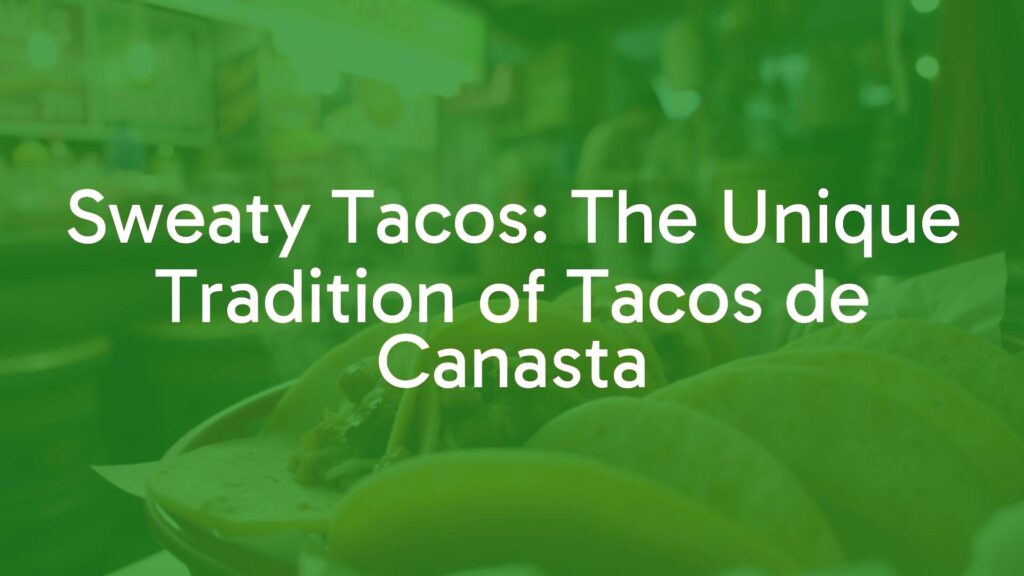
Understanding Sweaty Tacos: A Guide to Tacos de Canasta
What Are ‘Sweaty Tacos’?
Sweaty tacos, known in Spanish as tacos de canasta, are a classic street food staple hailing from Mexico. The term “sweaty” is a playful reference to their method of preparation: these tacos are steamed in a large basket, allowing them to become moist and flavorful as they gently cook in their own steam and the surrounding condiments. This results in a soft, supple texture and a unique style that distinguishes them from crisp or freshly-grilled tacos.
Historical Origins and Evolution
The tradition of tacos de canasta can be traced back to central Mexico, particularly the states of Tlaxcala and Mexico. Vendors would prepare them in large batches early in the morning, carefully layering the filled tortillas inside wicker baskets, lined with cloth and sometimes waterproof paper. The steam created during transport and display preserved their warmth and created their signature ‘sweaty’ character. Today, these tacos remain an essential part of urban food culture in places like Mexico City and are especially popular during busy workdays for their portability and convenience.
Signature Ingredients and Characteristics
Sweaty tacos typically feature small, soft corn tortillas filled with an array of classic stews or mash, such as potatoes with chorizo, refried beans, adobo-marinated shredded meats, or a spicy mole. Once assembled, the tacos are often brushed with hot, flavored oil or sauce before being packed into the basket, which helps impart extra moisture and flavor. The steaming process softens the tortillas, allowing the fillings and tortilla to merge for a cohesive bite that is both hearty and comforting.
Texture, Flavor, and Appearance
Visually, tacos de canasta appear slightly glossy or damp due to the steam. Their deliciously pliable and almost melt-in-your-mouth texture makes them easy to eat on the go. The flavors are rich but approachable, often featuring the gentle heat of chili, the earthiness of beans, and the warmth of seasoned meat or potatoes. They are commonly topped with pickled chilies, zesty salsas, or crunchy shredded lettuce.
Popular Variations and Adaptations
While tradition holds strong with classic fillings like potato, beans, or adobo, many vendors and home cooks opt for creative variations. Vegetarian options, such as mushrooms or spinach, are becoming more widespread. Ingredient substitutions may include using flour tortillas for a slightly different texture, or substituting the oil brushing with different flavored sauces for unique regional takes.
Pairings and Serving Suggestions
Sweaty tacos are usually enjoyed hot, straight from the basket, often accompanied by a refreshing glass of agua fresca or a cold soda. For those seeking a traditional accompaniment, pickled jalapeños and a fiery red or green salsa are ideal. They can be eaten as a quick snack, a substantial breakfast, or as part of a larger meal. The portability and communal style of eating make them perfect for sharing among friends or family.
Cultural Significance
Tacos de canasta are more than just a culinary delight—they are a symbol of Mexican ingenuity and the adaptability of street food culture. Their presence at public events, markets, and city corners is a testament to their enduring popularity. Whether you call them sweaty tacos or refer to them by their traditional name, they offer a taste of Mexico’s rich and diverse gastronomic landscape.
