
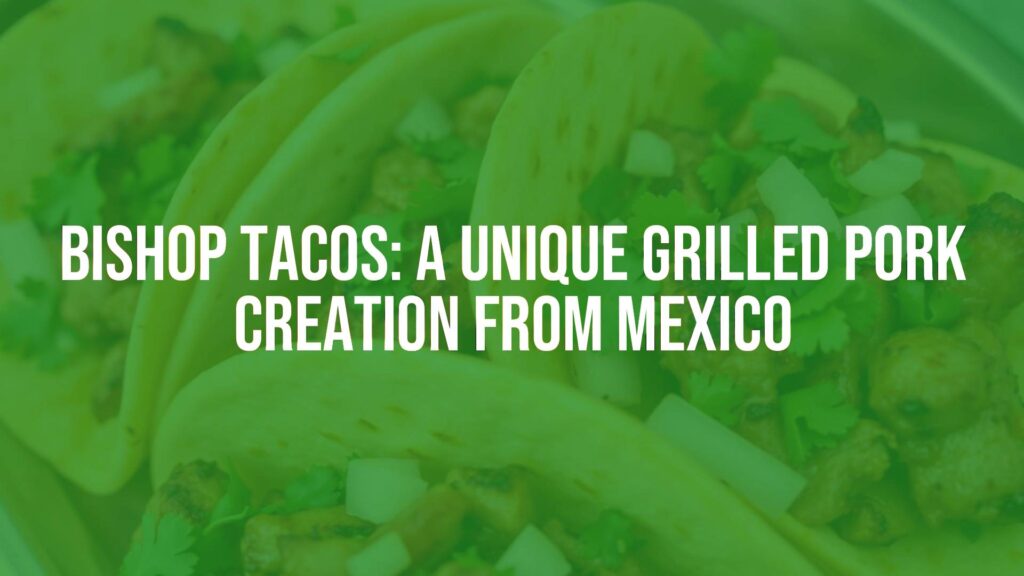
Introducing Bishop Tacos
Bishop tacos, often referred to as tacos de bishop or tacos de obispo, are a lesser-known gem within Mexican culinary tradition, particularly celebrated in certain regions of northern and central Mexico. Distinguished by their rich, savory fillings and blending of unique ingredients, bishop tacos stand apart from the more familiar carnitas or al pastor styles. They are especially prized for their hearty flavors and inventive approach to utilizing various cuts of pork, reflecting both resourcefulness and regional creativity.
Origin and History
The exact history of bishop tacos is somewhat obscure, as their development intertwines with the culinary traditions of rural Mexican communities. While their name suggests possible religious or celebratory origins—perhaps linked to special festivities or even ecclesiastical figures—they are most commonly associated with the states of Zacatecas and Durango. Here, bishop refers not to a church official but to a special preparation typically made for communal gatherings. The dish embodies the spirit of sharing and making the most out of available ingredients, much like other “fiesta” meals in Mexican culture.
Defining Characteristics
The hallmark of this taco is its filling: a flavorful medley created by finely chopping assorted pork cuts, such as head meat, cheek, and sometimes offal. These are combined with fresh herbs like cilantro, onion, and occasionally chile peppers or cooked rice. The mixture is seasoned and then wrapped in a large casing—often a cleaned pork stomach or caul fat—before being steamed or slowly grilled over a wood fire. This preparation imparts a distinctive roasted, slightly smoky aroma balanced by the natural savoriness of the pork and aromatics. When served, the filling is diced or shredded and tucked into corn tortillas, sometimes with a garnish of salsa or a squeeze of lime.
Flavor Profile and Texture
Bishop tacos have a robust, layered flavor that showcases the depth of slow-cooked pork, underscored by herbal brightness from fresh greens and gentle heat from chiles. The texture is rich and satisfying, with tender chunks of meat intermingling with toothsome bits of rice or vegetables, all wrapped in a soft, steamy tortilla. The use of pork casing during cooking ensures the filling stays moist and cohesive, resulting in a taco that is both indulgent and deeply comforting.
Key Ingredients
While recipes vary, essential elements generally include:
- Assorted pork cuts (typically head, cheek, or other flavorful portions)
- Fresh herbs such as cilantro and green onion
- Diced vegetables (like onion or sometimes bell pepper)
- Cooked rice (optional, but common in some regional styles)
- Spices and chiles for seasoning
- Pork stomach or caul fat for wrapping (traditional)
- Corn tortillas for serving
Regional Variations and Ingredient Swaps
The interpretation of bishop tacos can shift from place to place. Some cooks may incorporate more vegetables or even hard-boiled eggs for added substance. In home kitchens or outside of Mexico, pork casing may be replaced with cheesecloth to hold the filling together during cooking, or the mixture may be simply baked without wrapping. For diners hesitant about offal, alternative fillings made solely of pork shoulder or roast can offer a milder yet still authentic experience.
Enjoying Bishop Tacos
Bishop tacos are ideally served hot, immediately after slicing or shredding the filling. Accompaniments often include fresh lime wedges, vibrant salsa, pickled jalapeños, and chopped onions. They pair wonderfully with traditional Mexican beverages such as aguas frescas or a light beer. For a heartier meal, consider enjoying them alongside roasted potatoes or a simple salad.
Cultural Significance
More than just a dish, bishop tacos represent resourcefulness and community—the kind of food crafted for gatherings where every part of the animal is celebrated and nothing goes to waste. Their unique preparation and flavor make them a treasured regional specialty and a distinctive entry in the world of Mexican tacos.
