
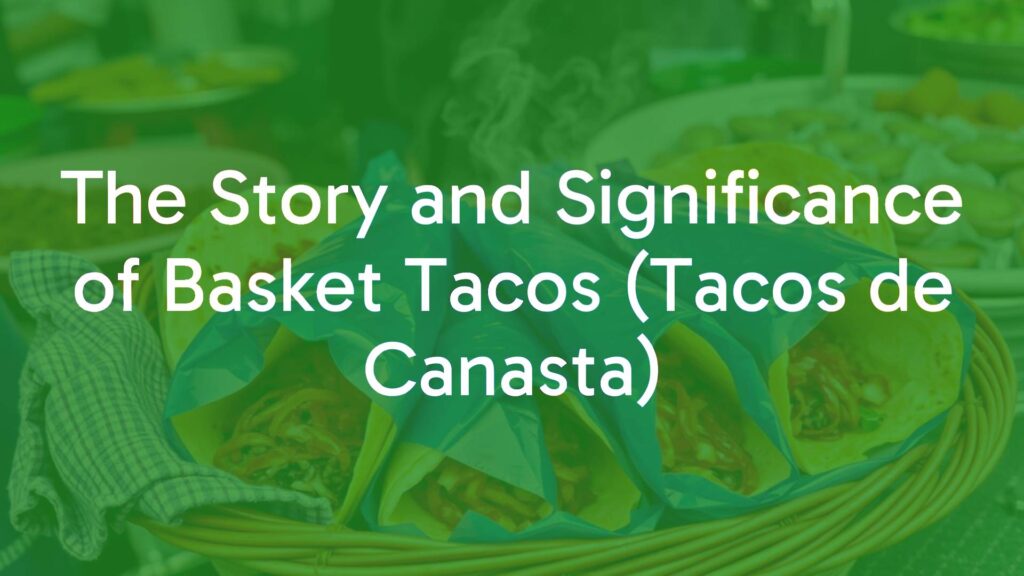
Understanding Basket Tacos: Mexican Tradition on the Move
Basket tacos, known in Spanish as tacos de canasta, are a cherished staple of Mexican street food renowned for their simplicity, portability, and unique method of preparation. These tacos are distinguished by their gentle steaming in a basket, which gives them a moist, soft texture and a subtle melding of flavors. Popular throughout Mexico, especially in bustling urban areas, basket tacos continue to capture the hearts and appetites of locals and visitors alike.
Origins and Cultural Influence
The roots of basket tacos trace back to the central Mexican states, notably Tlaxcala and Mexico City, where they emerged as an ingenious answer to the need for filling, affordable, and portable food for workers and commuters. The practice of keeping tacos in a lined basket allows vendors to sell them warm and fresh over extended periods without relying on elaborate equipment. This method reflects the resourcefulness and adaptability woven into Mexican cuisine. Over time, the sight of a vendor on a bicycle or street corner, their basket swaddled in cloth and brimming with tacos, has become an iconic element in the country’s urban foodscape.
Signature Elements and Telling Characteristics
What sets basket tacos apart is their preparation technique, which involves assembling the tacos with fillings, then stacking them in a basket lined with cloth and plastic. Hot oil or spiced lard is poured over them, and the basket is tightly wrapped to allow the tacos to gently steam in their own warmth. This process creates characteristically soft corn tortillas, which are infused with flavor from the fillings and the seasoned oil. The tacos are typically smaller in size, making them ideal for enjoying two or three at a time.
Classic Fillings and Flavor Profiles
The most traditional fillings for basket tacos include potato and chorizo, refried beans, adobo-spiced shredded pork, and crispy chicharrón (pork cracklings) stewed in salsa. These ingredients retain their flavor and texture even after steaming, and merge harmoniously to create a savory, slightly spicy, and deeply comforting eating experience. The tortillas themselves absorb these flavors, becoming tender but not mushy.
Variations and Ingredient Flexibility
While the classic fillings remain the most common, vendors and home cooks alike experiment with other options such as tinga (spicy shredded chicken), carnero (lamb), or vegetarian alternatives featuring mushrooms or sautéed greens. Some modern interpretations use flour tortillas or incorporate vegan proteins to cater to evolving dietary preferences. The type of fat or oil used (such as plant-based oils instead of traditional pork lard) can also adapt basket tacos to specific tastes or restrictions without sacrificing the integral moist texture.
Serving Traditions and Pairings
Basket tacos are usually enjoyed with a selection of vibrant salsas—red, green, or chipotle—alongside pickled vegetables like carrots and jalapeños. Sliced onions and a squeeze of lime brighten the flavors. Although eaten out of hand on the street or at markets, they are equally welcome at casual gatherings. To drink, light and refreshing aguas frescas, such as tamarind or hibiscus, are customary choices, while some prefer a cold Mexican lager to balance the rich tacos. Basket tacos pair well with other simple street fare and are best consumed while still warm from the basket.
Enduring Appeal
The enduring popularity of basket tacos lies in their satisfying simplicity, adaptability, and deep connection to everyday Mexican life. Their distinct preparation and communal spirit ensure that they are more than a meal—they are a symbol of Mexican ingenuity and hospitality. Whether savored on a bustling city corner or recreated at home, basket tacos offer an invitation to experience a cherished culinary tradition.
