
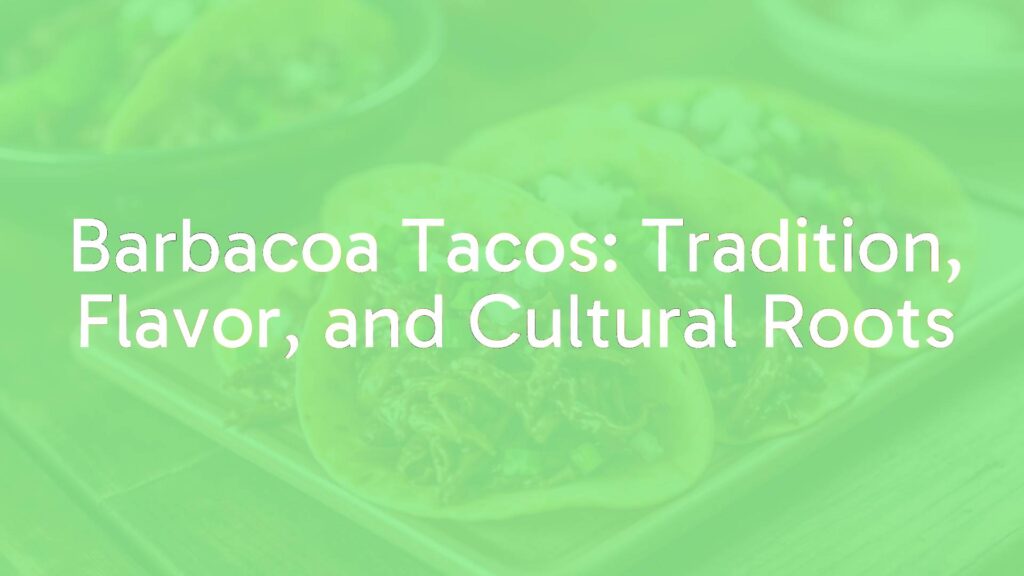
Exploring the World of Barbacoa Tacos
Barbacoa tacos stand as an emblematic representation of Mexican culinary heritage, renowned for their rich, slow-cooked flavors and tender, melt-in-your-mouth meat. Known for their comforting depth and remarkable versatility, these tacos are cherished across regions in Mexico and celebrated worldwide by aficionados of authentic Mexican cuisine.
Origins and Cultural Significance
The roots of barbacoa trace back to pre-Hispanic traditions, where indigenous communities perfected underground pit-roasting methods to cook meats to succulent perfection. The term “barbacoa” itself is believed to have originated from the Taíno people of the Caribbean, later adopted and adapted throughout Latin America. Over centuries, this ancestral cooking practice evolved within different Mexican regions, with each area adding its own distinct touch. Today, barbacoa is especially popular in the central states of Mexico and often featured in festive gatherings and weekend meals.
Defining Characteristics
Barbacoa tacos are distinguished by their use of slow-cooked, seasoned meat—most traditionally lamb, goat, or beef—carefully prepared to achieve an exceptionally tender, flavorful filling. The meat is often marinated with earthy spices, herbs, and occasionally chilies, then slow-cooked until it easily shreds. Authentic barbacoa is braised or steamed, sometimes wrapped in maguey (agave) leaves for extra aroma, though adaptations using ovens or pressure cookers are common today.
Key Ingredients and Preparation
The heart of barbacoa tacos lies in the choice of meat and the blend of spices. Common seasonings include garlic, cumin, oregano, bay leaves, and cloves, with regional differences in the use of chilies and acid (vinegar or citrus). The tender meat is generously portioned onto small, warm corn tortillas, forming the base of the taco.
Regional and Modern Variations
While the classic version uses lamb or goat, beef (particularly cheek or brisket) is widely popular in Northern Mexico and among North American adaptations. Variations also arise in accompaniments—some regions prefer a simple garnish of onions, cilantro, and salsa, while others serve barbacoa tacos with pickled vegetables or spicy broths (consomé). Contemporary versions may substitute alternative meats or offer plant-based options for diverse palates.
Texture, Flavor, and Presentation
Barbacoa tacos wow with their distinct balance of earthiness and subtle spice. The meat is deeply savory and succulent, infused with smoky, herbal notes from its marination and slow-cooking. The soft, slightly chewy corn tortilla cradles the moist filling, while fresh toppings and zesty salsa provide vibrant contrast in both texture and flavor. Barbacoa tacos are memorable for their juicy, aromatic presence and complex taste profile.
Serving Suggestions and Pairings
Barbacoa tacos are best enjoyed fresh and warm, often accompanied by chopped onions, cilantro, fresh lime, and a range of salsas—from mild to fiery. They pair exceptionally well with Mexican beverages such as agua fresca, horchata, or, for a more robust experience, a Mexican beer. Adding a side of rich consommé for dipping the tacos enhances the authenticity and enjoyment, especially in colder months.
Ingredient Substitutions and Adaptability
Home cooks and restaurants alike may adapt barbacoa tacos to suit local tastes or dietary needs. Alternative proteins such as chicken or jackfruit can be used for lighter or vegetarian-friendly options, while spices can be dialed up or down to match preferred heat levels. Tortillas can also be varied, with flour tortillas offering a softer bite in certain areas.
Culinary Legacy
Barbacoa tacos embody a centuries-old legacy, merging ancient cooking techniques with contemporary creativity. Whether shared at a family gathering or savored from a street vendor, each taco continues to tell the story of Mexican culture, regional pride, and the enduring power of culinary tradition.
