
Introduction to Mexican Tacos
Mexican tacos are among the most beloved street foods and culinary icons in Mexico, capturing the nation’s rich blend of indigenous and international influences. Unlike the hard-shell, Tex-Mex adaptations often found abroad, authentic Mexican tacos are known for their simplicity, emphasis on fresh ingredients, and regional diversity. This article delves into what defines a true Mexican taco, its cultural origins, classic characteristics, and some of the most notable variations found across the country.
Defining Characteristics of Mexican Tacos
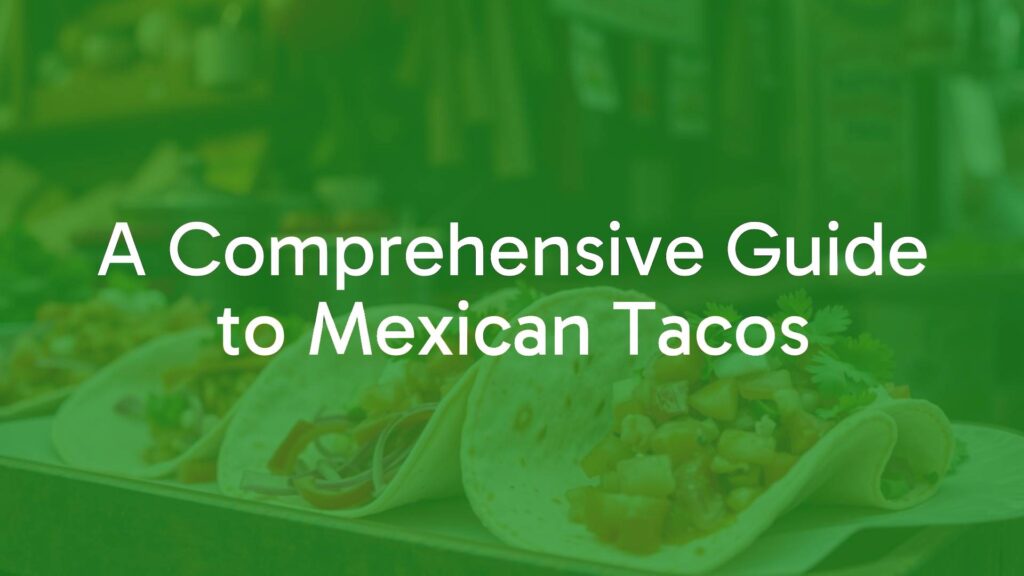
At their core, Mexican tacos consist of soft, warm tortillas—typically corn, though flour varieties are common in northern regions. The tortillas act as a neutral yet flavorful base for an array of fillings. Each taco is generally served open-faced, folded just enough to cradle meats, vegetables, and garnishes. Unlike their crunchy counterparts, Mexican tacos are characterized by their pliable texture and modest size, making them ideal for sampling a variety of flavors in one meal.
Historical and Cultural Roots
The origins of the taco trace back to pre-Columbian Mesoamerica, where indigenous peoples wrapped maize tortillas around fish and local ingredients. Over centuries, as Spanish colonists brought new livestock and culinary influences, the taco evolved to incorporate pork, beef, chicken, and a host of other foods. This melding of old and new ingredients gave rise to countless regional taco varieties, further enriched by local tastes and culinary traditions.
Key Ingredients and Preparation
Essential components of a Mexican taco include:
- Tortillas: Soft corn tortillas are most traditional, though flour tortillas appear in the northern states.
- Filling: Fillings can be as simple as grilled meats (carne asada), slow-cooked pork (carnitas), marinated pork (al pastor), stewed vegetables, or freshly caught fish.
- Toppings: Fresh diced onions, cilantro, salsa, sliced radishes, and lime wedges are customary. Occasionally, tacos are dressed with pickled vegetables, guacamole, or shredded cabbage.
Tacos are usually cooked and assembled quickly to retain their freshness, with the tortilla often gently warmed on a comal (griddle) right before serving.
Notable Regional Variations
Mexico’s varied geography and cultural traditions give rise to a rich spectrum of taco types:
- Tacos al Pastor: Marinated pork shaved from a vertical spit, garnished with pineapple and cilantro.
- Tacos de Barbacoa: Tender, slow-cooked lamb or goat, often served with rich consomé.
- Tacos de Pescado: Baja-style fish tacos featuring battered fish, shredded cabbage, and creamy sauce.
- Tacos de Canasta: Lightly steamed “basket tacos” with fillings like potato, beans, or chicharrón.
- Tacos de Carnitas: Pork confit, crisp on the outside and tender within, typically found in Michoacán.
Taco fillings can be readily adapted: vegetarians may choose grilled nopal cactus or roasted mushrooms, while flour tortillas may substitute for corn in some regions or diets.
Serving Suggestions and Pairings
Mexican tacos are enjoyed throughout the day, from breakfast to late-night snacks. They are commonly accompanied by a selection of salsas, ranging from tangy tomatillo to fiery habanero. Classic pairings include chilled Mexican beer, agua fresca, or a citrus-forward margarita. A basket of pickled jalapeños or a side of refried beans can round out the meal, elevating the taco’s flavors while staying true to Mexican culinary tradition.
Conclusion
With their focus on balancing flavor, texture, and freshness, Mexican tacos exemplify the heart of Mexican cuisine. From humble street stalls to celebrated restaurants, these adaptable creations continue to evolve, inspiring taco lovers around the globe while staying rooted in centuries-old traditions.
