
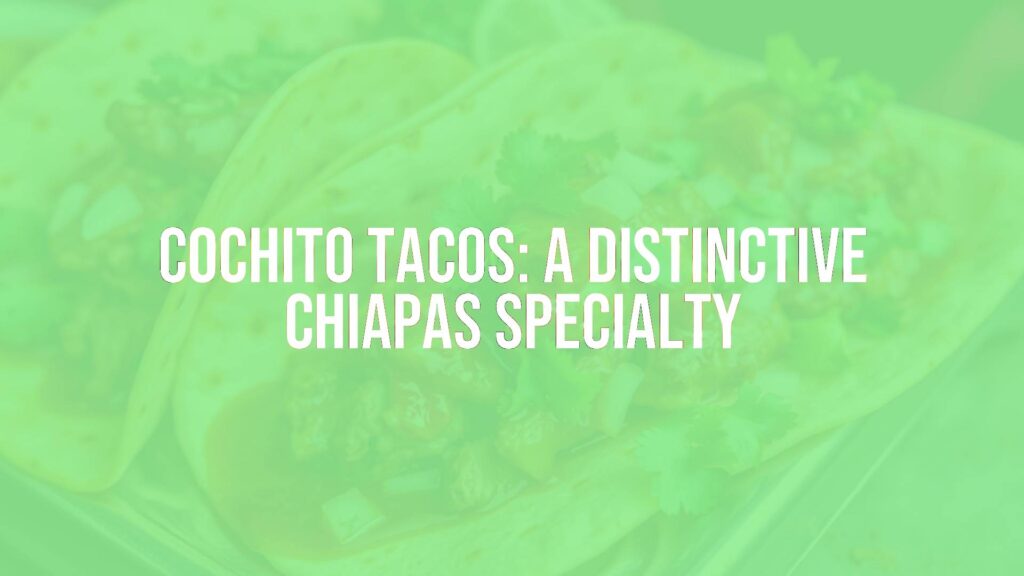
Cochito Tacos: Exploring a Chiapanecan Culinary Gem
Defining Cochito Tacos
Cochito tacos are a unique and flavorful expression of Chiapas, a region in southern Mexico known for its rich indigenous traditions and culinary creativity. At the heart of these tacos is “cochito,” a preparation of pork slow-cooked in a robust, spiced adobo sauce, resulting in meat that is aromatic, tender, and deeply savory, with gentle notes of sweetness and earthy spice.
Historical Roots and Cultural Influences
This taco variety traces its lineage to the city of San Cristóbal de las Casas, where cochito is a festive dish often associated with holidays, gatherings, and street food celebrations. The preparation reflects a confluence of Spanish colonial influence—especially in its use of cloves, cinnamon, and other baking spices—with indigenous Mexican techniques of marinating and slow-cooking pork. For generations, cochito has been a symbol of Chiapanecan hospitality and culinary pride, making its way from banquet tables into the humble corn tortillas of local markets and taco stands.
Signature Characteristics and Flavor Profile
The primary defining aspect of cochito tacos is their captivating flavor and texture. The pork is marinated in an adobo sauce that commonly blends dried chiles like guajillo and ancho with spices such as cinnamon, cloves, garlic, vinegar, and occasionally tomatoes. The long marination and slow baking (traditionally in a wood-burning oven) render the meat succulent, with a dried-chile warmth, subtle sweetness, and a pleasant, tangy depth.
When folded into soft or lightly crisped corn tortillas, the pork is often accompanied by fresh garnishes like pickled red onions, shredded lettuce, salsa roja, and sometimes a squeeze of lime. The resulting taco is aromatic and satisfying, balancing richness with freshness and a mild heat.
Key Ingredients and Essential Components
The core elements of cochito tacos include:
- Pork shoulder or leg, chosen for its ability to become luxuriously tender.
- Adobo sauce, made with a blend of dried chiles (such as guajillo and ancho), spices (cloves, cinnamon, allspice, black pepper), vinegar, garlic, and often tomatoes or orange juice.
- Corn tortillas, usually handmade or locally crafted for authenticity.
- Garnishes like pickled onions, lettuce, salsa, and lime.
Regional Variations and Ingredient Flexibility
While the classic cochito is deeply rooted in San Cristóbal de las Casas, there are variations across Chiapas and nearby regions. Some cooks may incorporate additional spices or sweeten the adobo with piloncillo (raw cane sugar). The choice of accompanying salsas and garnishes is also flexible—some favor fresh radishes or avocado slices, while others might include a dash of crumbly queso fresco.
For those seeking substitutes, chicken or turkey can stand in for pork, adapting the flavor profile while retaining the essence of the dish. Commercial adobo sauces can be an alternative to homemade for convenience, though the complexity of the original is part of the taco’s allure.
Serving Suggestions and Pairings
Cochito tacos are a festive street food suitable for any gathering. They are best enjoyed freshly assembled, allowing diners to relish the aroma and textural interplay. Complementary side dishes include frijoles de la olla (slow-cooked beans), simple rice, or a citrus-dressed slaw enlivened with fresh herbs. For drinks, traditional choices like agua de jamaica or horchata highlight the taco’s spices, while a light lager or mezcal-based cocktail can bring an adult nuance to the meal.
Conclusion
With their sumptuous pork filling, aromatic adobo, and vibrant garnishes, cochito tacos capture the culinary spirit of Chiapas. Whether enjoyed in a bustling Mexican marketplace or recreated at home, they stand as a testament to the rich tapestry of Mexican regional cuisine and the conviviality of taco culture.
