
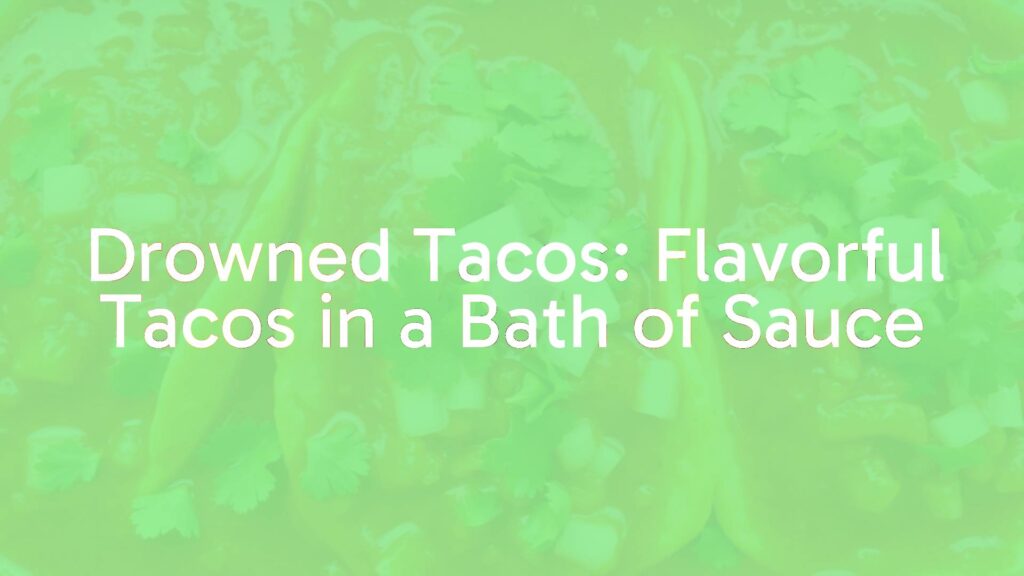
Discovering Drowned Tacos: A Unique Take on Tacos
Drowned tacos, known as “tacos ahogados” in Spanish, are a compelling variation of traditional Mexican street tacos where flavor and texture take an exciting turn. Distinguished by their signature bath of robust, seasoned sauce, drowned tacos provide a memorable eating experience that combines soft tortillas with bold, inviting flavors. Originating from the culinary landscape of Western Mexico, particularly the state of Jalisco, this taco variety stands apart for its saucy presentation and hearty fillings.
A Glimpse into their Origin
The tradition of drowned tacos traces back to the bustling cities of Jalisco, especially Guadalajara, which is famed for its vibrant street food culture. The concept is believed to have evolved alongside other soaked or “ahogado” dishes in the region, such as the legendary “torta ahogada,” a similarly sauce-soaked sandwich. Local cooks devised this taco style as a practical yet delicious way to invigorate stale or day-old tortillas and utilize richly flavored chile-based sauces. Today, drowned tacos are celebrated as a beloved comfort food in Western Mexico and beyond.
Key Elements and Preparation
At the heart of drowned tacos are tortillas, traditionally made from corn and usually fried or toasted until just crisp before being filled. The most common fillings include pulled pork, shredded beef, or chicken. Once assembled, the tacos are generously smothered in a savory, sometimes spicy, tomato or chili sauce. The sauce can range from mild and tomato-based to intensely piquant, depending on local preference and family recipes.
The bathing process not only enhances the overall flavor but also creates a textural interplay, as the shell softens while still offering some resilient crispness. This results in a taco that’s tender, juicy, and exploding with complementary tastes from the saucy soak and meaty filling.
Signature Flavor, Texture, and Appearance
Drowned tacos are marked by their vivid color—typically vibrant red from the sauce—and often served in a bowl or deep plate to contain the extra liquid. The aroma is a heady blend of roasted chilies, aromatic spices, and slow-cooked meat. Upon biting in, you discover a velvety mix of sauced tortilla and succulent filling, with a spicy or tangy finish, depending on the blend of chilies and tomato in the sauce. Texture contrasts come from the initial crispness of the fried tortilla coupled with the lush, soaked surface.
Variations and Ingredient Swaps
Drowned tacos offer ample room for customization. While pulled pork (often carnitas) and beef are common, shredded chicken or even plant-based fillings are increasingly popular adaptations. The sauce remains central, but its profile shifts: some recipes lean on roasted tomatoes and mild chilies, while others go bolder with fiery arbol or guajillo peppers. Pickled onions, slices of fresh radish, or even avocado may be added as garnish, providing crunch and freshness. For those seeking a gluten-free meal, authentic versions using corn tortillas fit the bill without modification.
Serving Suggestions and Pairings
Drowned tacos are best served hot and freshly baptized in their sauce, often garnished with chopped cilantro, diced onions, lime wedges, and pickled vegetables to cut through the richness. They pair beautifully with crisp Mexican lagers, tart aguas frescas, or even a slightly smoky mezcal. Beans, rice, or a simple cabbage slaw are popular accompaniments, balancing the dish’s intensity with lighter contrasts.
Cultural Significance
Much more than just a technical preparation, drowned tacos encapsulate the resourcefulness and creativity of Mexican home cooks. They exemplify the region’s love of bold, unrestrained flavors and communal dining. Whether enjoyed at a bustling street stall in Guadalajara or recreated in a home kitchen abroad, drowned tacos invite everyone to savor a taste of Jalisco’s unique heritage, one sauce-soaked bite at a time.
