
Introduction to French Tacos
French tacos, despite their name, are a unique culinary creation that originated not in Mexico, but in France. This modern street food has gained remarkable popularity across France and other parts of Europe, offering a tantalizing fusion of global influences. Characterized by their rectangular shape, grilled exterior, and indulgent fillings, French tacos stand apart from traditional Mexican tacos in both concept and taste.
Origins and Cultural Background
The development of the French taco can be traced back to the early 2000s in the suburbs of Lyon, France. Created by entrepreneurs of North African descent, these tacos were designed as a quick, customizable meal inspired by various street foods. Although the name suggests a Mexican origin, French tacos are actually a product of multicultural blending, combining elements of French, North African, and American fast food traditions into a single hearty package.
Defining Features of French Tacos
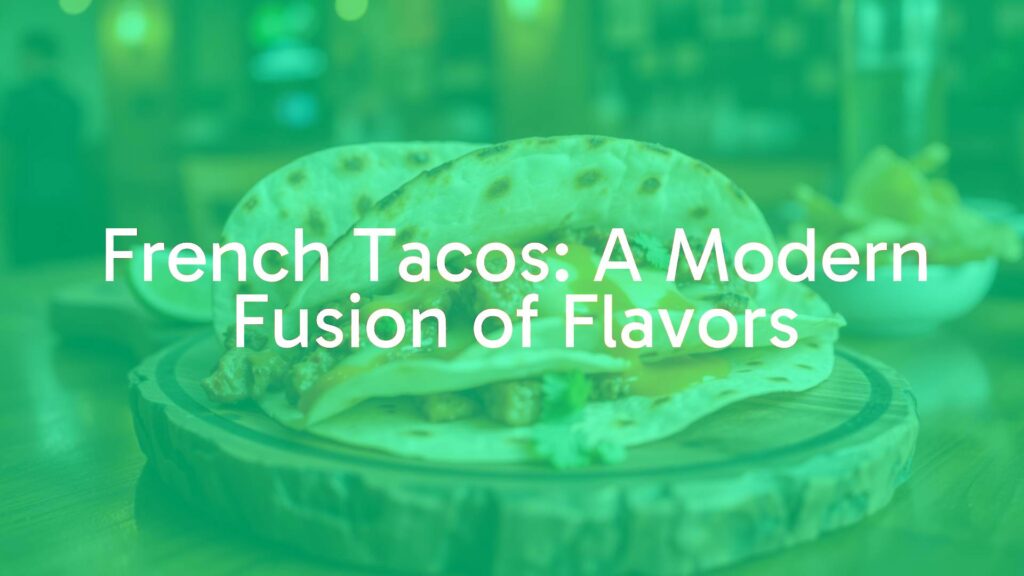
French tacos are notable for their presentation and composition. They are typically assembled using a large flour tortilla, which is generously filled, folded, pressed, and then grilled until crispy. The result is a compact, rectangular parcel that is easy to handle and convenient to eat on the go. Unlike their Mexican counterparts, these tacos are often quite substantial, resembling a grilled wrap or panini more than a classic soft taco.
Key Ingredients
The hallmark of a French taco is its limitless customizability. The main components include:
- Flour Tortilla: Usually a large, soft tortilla folded into a rectangular shape.
- Meat or Protein: Options range from grilled chicken, beef, or merguez sausage to vegetarian substitutes.
- French Fries: An unconventional yet essential filling, providing a crispy, starchy layer.
- Cheese Sauce: A creamy, often spiced sauce that binds the ingredients and adds richness.
- Additional Toppings: Bacon, vegetables, and signature house sauces are commonly included.
Everything is enclosed in the tortilla and pressed on a grill, melding the ingredients together and giving the tortilla a golden, crispy texture.
Typical Preparation and Serving Style
Preparation centers on assembling the chosen fillings inside a tortilla, folding it into a rectangle, and grilling it in a panini-style press. French tacos are cut in half or served whole, often wrapped in foil for easy eating. Accompaniments can include additional cheese sauce, spicy condiments, or a side of salad.
Flavor and Texture Profile
Each bite of a French taco offers a contrast of flavors and textures: the crispy exterior gives way to a hot, melty interior with tender meat, soft fries, and luscious cheese sauce. The combination is both satisfying and rich, leaning towards hearty fast food comfort.
Common Variations
The flexibility of French tacos allows for a vast array of variations. Customers can choose their preferred protein, add extra toppings like grilled vegetables, hot sauce, or even different types of cheeses. Some establishments offer halal or vegetarian adaptations, and spiciness can be customized to taste. Gourmet versions might introduce premium meats or speciality sauces.
Ingredient Substitutions
To accommodate different dietary preferences, French tacos can easily be modified. Replace meat with falafel or marinated tofu for a vegetarian option; swap out regular cheese sauce for a dairy-free alternative; or use sweet potato fries instead of traditional ones for a unique twist. Gluten-free tortillas can be used for those with dietary restrictions.
Pairings and Serving Suggestions
French tacos are best enjoyed alongside classic fast-food sides such as mixed salads or extra fries. For drinks, sodas, iced teas, or even a cold beer complement the meal well. When serving at home, a whole taco can be cut and shared among friends, making it an ideal party food or late-night snack.
Conclusion
French tacos exemplify modern fusion cuisine, merging diverse culinary traditions to create an irresistible street food staple. Their customizable nature and satisfying composition have secured them a loyal following and a place at the crossroads of global food culture.
