
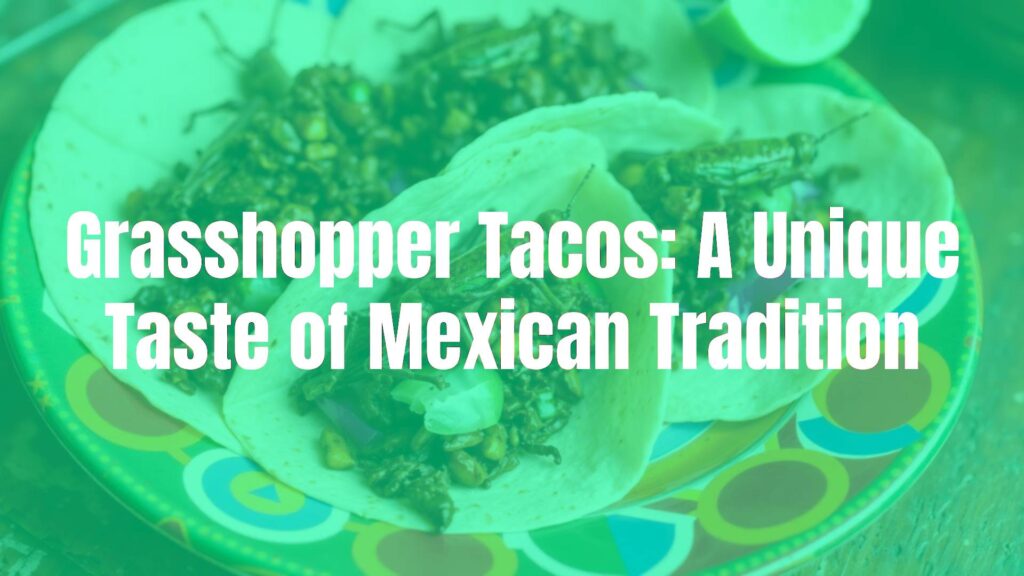
Exploring Grasshopper Tacos
Grasshopper tacos, or tacos de chapulines, present a distinctive and adventurous experience within the rich tapestry of Mexican street food. Beloved in select regions of Mexico for centuries, these tacos blend centuries-old culinary traditions with bold flavors and a crunchy texture that intrigues both locals and visitors alike.
Distinctive Qualities of Grasshopper Tacos
What sets grasshopper tacos apart from more common taco varieties is the use of chapulines—edible grasshoppers harvested primarily in the southern Mexican states, such as Oaxaca. Their most recognizable traits are a toasty, crispy bite and a subtle earthiness, often accented by seasoning combinations that highlight chili and lime. The addition of grasshoppers imbues these tacos with a protein-rich, slightly tangy flavor and a crackling texture that contrasts playfully with soft corn tortillas.
Historical Context and Cultural Significance
The tradition of eating chapulines dates back to pre-Columbian times, when they were valued as a sustainable and readily available protein source. Ancient Mexicans developed various techniques for collecting, toasting, and seasoning grasshoppers, practices that have been carefully preserved in regions such as Oaxaca. Over generations, chapulines became not just a staple food but a symbol of local heritage, featured at markets, festivals, and family gatherings.
Core Ingredients and Typical Preparation
The hallmark of a grasshopper taco is, naturally, the chapulines. These are typically gathered during the rainy season, then cleaned, toasted on a hot comal, and seasoned with salt, garlic, lime, and sometimes chili powder. The toasted grasshoppers are nestled into warm corn tortillas, often accompanied by a spread of guacamole, sliced avocados, fresh salsa, or a sprinkling of queso fresco. The combination delivers layers of crunch, acidity, and subtle smokiness.
Variations and Ingredient Adaptations
Grasshopper tacos may take on various regional twists. Some versions may use larger or smaller varieties of chapulines, affecting both texture and flavor intensity. Additional toppings like pickled onions, shredded cabbage, or spicy chipotle salsas can be introduced for extra complexity or visual appeal. For those experimenting outside traditional methods or wanting alternative proteins, roasted crickets or other edible insects may occasionally substitute for chapulines, though the classic Oaxacan taco remains the benchmark.
Serving Suggestions and Pairings
Grasshopper tacos are typically served warm, often garnished with a wedge of lime for zesty brightness. They make a memorable accompaniment to Oaxacan moles, smoky salsas, or side dishes like black beans and esquites (Mexican street corn salad). Beverages that pair well include mezcal, which complements the taco’s earthy notes, or light Mexican lagers for a refreshing contrast. For those looking to introduce guests to a novel culinary experience, serving grasshopper tacos amid a selection of regional dishes is both educational and crowd-pleasing.
Conclusion
Grasshopper tacos are more than just a novelty—they’re a flavorful testament to Mexico’s inventive and resourceful cuisine. Their unique taste, texture, and cultural background offer a fascinating departure from mainstream tacos and invite eaters to explore the rich possibilities of edible insects in the modern diet.
