
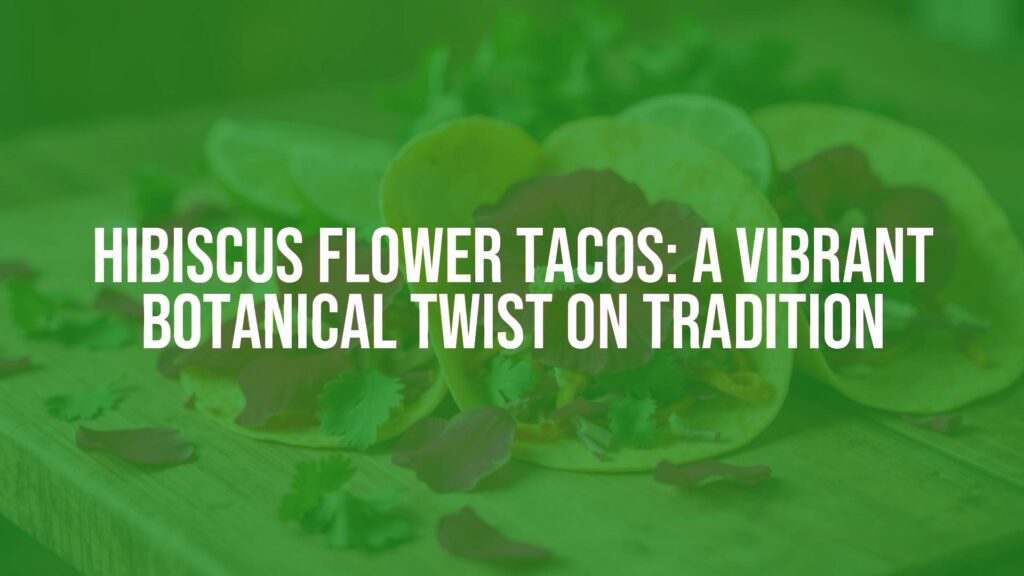
Discovering Hibiscus Flower Tacos
Hibiscus flower tacos, known in Spanish as tacos de flor de jamaica, present a vibrant and inventive approach to taco filling that has captured the imagination of food enthusiasts both within Mexico and internationally. These tacos highlight the use of hibiscus flowers (flor de jamaica) as the main ingredient, delivering a unique combination of tartness, chewiness, and color that distinguishes them from more conventional meat-based or vegetable tacos.
Distinctive Qualities and Culinary Appeal
What makes hibiscus flower tacos stand out is their striking magenta hue and pleasantly tangy taste. The texture of the rehydrated, sautéed hibiscus petals offers a satisfying bite, somewhat reminiscent of cooked mushrooms or shredded meat, but with a lighter, floral note. The combination of tender petals, usually seasoned and cooked with aromatic ingredients, results in a taco that is at once refreshing and deeply flavorful—memorable for both its taste and its appearance.
The Roots and Evolution of Hibiscus Flower Tacos
The origins of hibiscus flower tacos are intimately tied to Mexico’s longstanding tradition of culinary resourcefulness and innovation. Hibiscus flowers have been used for generations in Mexico, primarily to brew agua de jamaica, a tart ruby-red beverage. The leftover hydrated petals from this process were creatively repurposed as a savory ingredient, giving rise to taco fillings and other dishes. This ingenuity reflects both sustainability and a flair for transforming humble ingredients into something special. In recent years, hibiscus flower tacos have become especially popular among vegetarians and those seeking plant-based dining experiences, ushering them onto menus at urban eateries and street stalls alike.
Key Ingredients and Characteristic Components
The essential element of this taco variety is the hibiscus flower itself, typically sourced dried and then boiled to soften and rehydrate the petals. After boiling, the petals are usually sautéed with aromatics such as onion and garlic, and may be blended with tomatoes, chilies, or epazote for additional flavor complexity. Some recipes incorporate a touch of sweetness or a dash of citrus to accentuate the tanginess of the hibiscus. The filling is traditionally wrapped in soft corn tortillas, providing a neutral base that lets the vivid color and tart notes of the flor de jamaica shine.
Typical Variations and Ingredient Adaptations
Hibiscus flower tacos provide ample room for culinary creativity. Common variations might include the addition of sautéed vegetables, like zucchini or bell peppers, for added texture and nutrition. Some cooks mix in cheese—such as crumbled queso fresco or panela—for creaminess, or top the tacos with pickled onions, shredded lettuce, or a dollop of Mexican crema for balance. The flavor profile can be adjusted with the use of smoky chipotle, bright cilantro, or even subtle hints of fruit, such as pineapple, which pairs naturally with hibiscus’ acidity.
Serving Suggestions and Pairings
When it comes to serving hibiscus flower tacos, garnishes play a key role in enhancing the visual appeal and overall taste. This taco variety is frequently paired with salsa verde or a spicy salsa roja, and a sprinkle of fresh herbs for brightness. As a complete vegetarian treat, hibiscus flower tacos are excellent alongside sides like black beans, rice, or even roasted sweet potato. As for beverages, they pair nicely with agua fresca (including agua de jamaica for a theme match), citrus-forward cocktails, or a light Mexican beer to complement their fresh and tangy flavors.
Cultural Significance and Modern Outlook
Hibiscus flower tacos encapsulate the spirit of modern Mexican cuisine—a respect for tradition combined with openness to new interpretations and sustainable practices. Their rise in popularity echoes a broader global embrace of plant-based foods and a keen appreciation for colorful, nutrient-rich meals that surprise the palate. Whether served at a bustling street market or a high-end restaurant, hibiscus flower tacos continue to inspire with their cheerful color, creative use of ingredients, and cross-cultural appeal.
