
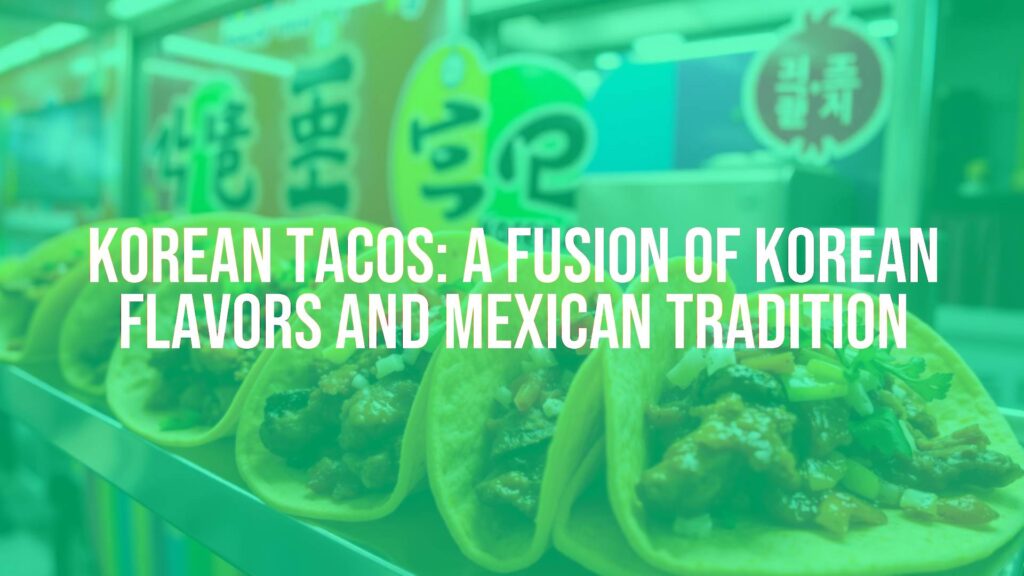
Korean Tacos: Modern Fusion Bites
Introduction to Korean Tacos
Korean tacos are a vibrant culinary creation that beautifully blends the rich, savory flavors of Korean cuisine with the familiar, hand-held appeal of the Mexican taco. Emerging as a distinct symbol of modern food fusion, Korean tacos encapsulate both innovation and multicultural influences, resulting in a dish beloved for its bold contrasts and approachable format.
Origins and Cultural Influence
The concept of Korean tacos rose to prominence in Los Angeles in the late 2000s, fueled by the inventive spirit of food truck culture. Driven by chefs of Korean descent and taco aficionados alike, this mash-up took inspiration from both Korean barbecue traditions and Mexican street tacos. The pioneering Kogi BBQ truck is often credited with igniting widespread interest, demonstrating how the marriage of marinated meats, spicy toppings, and fresh tortillas could captivate a diverse and adventurous urban audience. Today, Korean tacos are a staple in fusion restaurants and food trucks across North America and beyond.
Signature Ingredients and Flavors
At the heart of a Korean taco is a foundation of soft corn or flour tortillas, topped with main proteins such as bulgogi (soy-marinated grilled beef), spicy pork, or marinated chicken. What sets Korean tacos apart are their distinctive toppings, which often include crisp kimchi, pickled vegetables, and vibrant slaws, adding both texture and a refreshing sharpness. Gochujang-based sauces or spicy mayo provide a dynamic heat and depth of flavor, while fresh cilantro, sliced scallions, and sesame seeds might complete the presentation. The result is a lively interplay of sweet, savory, spicy, and tangy notes, balanced by the meat’s tenderness and the crunch of vegetables.
Common Variations and Adaptations
Korean tacos are highly customizable, inviting experimentation with proteins, vegetables, and flavor accents. Popular adaptations use tofu or grilled mushrooms for plant-based versions, or swap out traditional kimchi for milder pickled cucumbers or carrot slaw. Some opt for fusion tortillas, such as those made with glutinous rice flour, or accommodate gluten-free diets with lettuce wraps. Additional toppings—like avocado, queso fresco, or sriracha—reflect the evolving and personal nature of this dish.
Serving Suggestions and Pairings
Korean tacos are best enjoyed freshly assembled to preserve textural contrasts. They make an excellent choice for casual gatherings, offering a fun alternative to traditional taco nights. Classic accompaniments include crispy potato wedges, Asian-inspired slaws, or tangy cucumber salads. For drinks, pair with cold Mexican lagers, light Korean beers, or sparkling limeade to counterbalance the spice. Non-alcoholic options like ginger-infused sodas or iced green tea further elevate the fusion experience.
What Makes Korean Tacos Unique?
The allure of Korean tacos lies in their successful melding of two distinct culinary traditions without diluting the essence of either. The interplay of robust Korean marinades, punchy sauces, and the versatile taco format creates a dish that excites the palate and tells a story of cross-cultural creativity. Whether served at bustling food trucks or high-end eateries, Korean tacos continue to represent the ever-evolving nature of contemporary street food.
