
Introduction to Vegan Tacos
Vegan tacos have emerged as a creative, inclusive adaptation of the traditional taco, celebrating plant-based ingredients while retaining the vibrant flavors and satisfying textures that make tacos beloved worldwide. Far from being mere substitutes, vegan tacos stand on their own due to their versatility and the sheer abundance of fresh, flavorful fillings.
Defining Characteristics
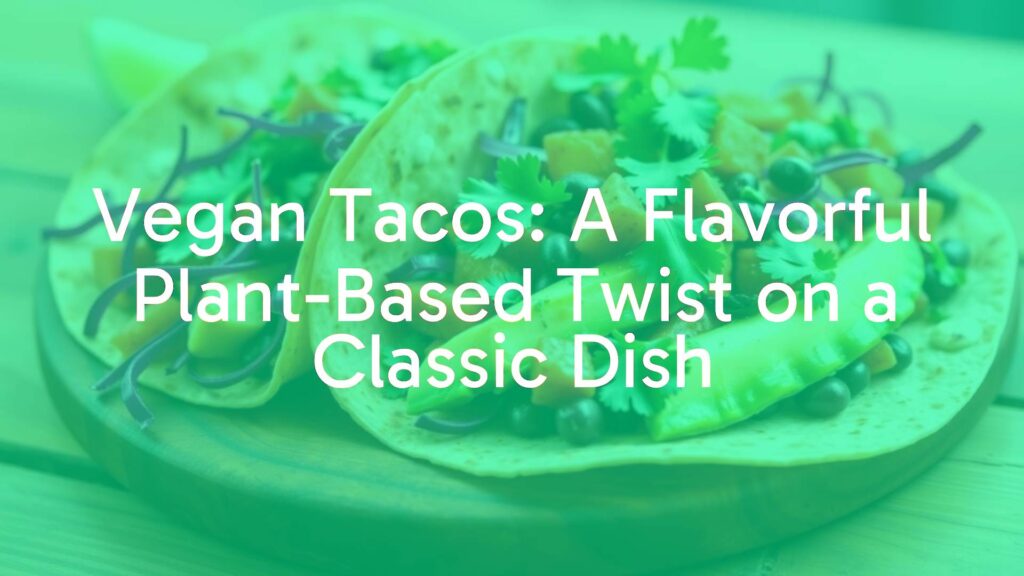
What sets vegan tacos apart is their complete reliance on plant-derived ingredients. They feature tortillas—usually corn or flour—as a base, loaded with a variety of fillings such as sautéed or roasted vegetables, legumes like black beans or lentils, tofu or tempeh, jackfruit, and a broad range of salsas and garnishes. Their appearance is often colorful, thanks to a medley of vegetables, making them as visually appealing as they are delicious.
Origins and Evolution
While traditional tacos trace their roots to indigenous Mexican cuisine, vegan tacos are a more recent development, gaining popularity as plant-based cooking grew into a mainstream movement. Influenced by both Mexican culinary traditions and global plant-based food trends, vegan tacos often incorporate classic Latin American flavors—such as smoky chipotles and tangy lime—while creatively adapting time-honored recipes without animal products.
Key Ingredients
At the heart of every vegan taco are its fillings, which can be greatly varied:
- Proteins: Beans (black, pinto, or chickpeas), lentils, tofu, tempeh, seitan, and jackfruit.
- Vegetables: Grilled or roasted peppers, zucchini, mushrooms, sweet potatoes, corn, and cabbage.
- Salsas and Sauces: Fresh tomato salsa, avocado or guacamole, mango salsa, spicy chipotle sauce, or creamy plant-based dressings.
- Garnishes: Shredded lettuce, pickled onions, cilantro, fresh lime wedges, and radishes.
These ingredients allow for endless customization, ensuring there is a combination to suit every palate.
Textural and Flavor Profile
Vegan tacos are celebrated not only for their rich flavors but also for their variety of textures. Crisp vegetables and creamy avocado contrast with hearty beans or tofu, all encased in a soft or lightly charred tortilla. Bold seasonings like cumin, chili powder, and smoked paprika—often used in vegan fillings—bring depth, while fresh herbs and citrus add brightness and freshness.
Popular Variations and Ingredient Swaps
There are countless ways to adapt vegan tacos according to dietary needs or available ingredients. Some popular variations include:
- Jackfruit “Carnitas” Tacos: Shredded young jackfruit marinated and cooked to mimic the texture of pulled pork.
- Crispy Cauliflower Tacos: Battered and roasted cauliflower for a satisfying crunch.
- BBQ Lentil Tacos: Seasoned lentils with tangy barbecue sauce, paired with slaw.
- Breakfast-Style Tacos: Scrambled tofu with sautéed onions and peppers.
Substitutions are simple: grains such as quinoa can replace legumes, and gluten-free tortillas suit those with wheat sensitivities. For extra richness, nut-based sauces like cashew crema can elevate the overall flavor.
Serving and Pairing Suggestions
Vegan tacos are best enjoyed fresh, often alongside a squeeze of lime and fresh cilantro. For a full meal, pair them with classic sides like Mexican rice, esquites (street corn), or a crisp cabbage slaw. Beverage pairings commonly include agua frescas, hibiscus tea, or crisp local beers. For festive occasions, a margarita—traditional or made with citrus and agave syrup—complements the tacos’ lively flavors.
Cultural Significance and Modern Impact
Vegan tacos are more than a dietary adaptation; they represent a fusion of culinary tradition and contemporary food movements. With their broad appeal, they bridge cultures and satisfy eaters of all backgrounds, proving that the taco’s spirit of creativity and generosity flourishes in plant-based form.
