
Vegetarian Tacos: Flavorful Plant-Based Delights
Introduction to Vegetarian Tacos
Vegetarian tacos are a vibrant celebration of fresh ingredients, bold flavors, and inventive textures, all wrapped in a classic taco shell. Unlike traditional meat-based varieties, vegetarian tacos swap out animal proteins in favor of vegetables, legumes, cheeses, and plant-based alternatives, offering a delicious and diverse option for everyone—not just vegetarians.
Origins and Cultural Evolution
While the taco is a staple of Mexican cuisine with deep historical roots, vegetarian tacos have emerged more recently. Their rise can be traced to the growth of vegetarianism and an increasing appreciation for plant-forward cooking in global food culture. Inspired by both traditional Mexican culinary techniques and modern dietary trends, vegetarian tacos now appear everywhere from street food stalls in Mexico City to innovative eateries around the world.
Defining Features and Key Ingredients
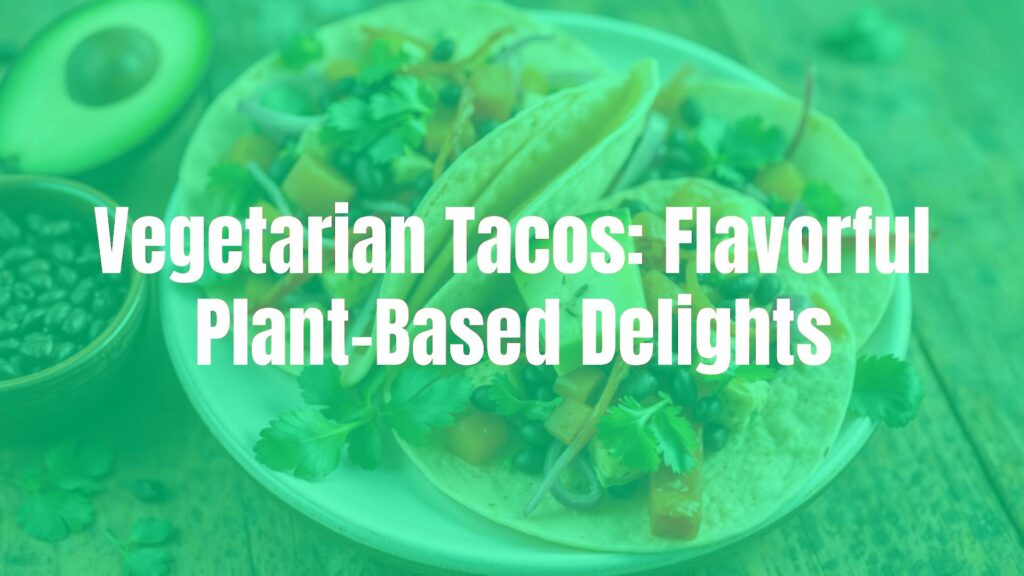
The hallmark of vegetarian tacos is their versatility. Commonly, they might showcase charcoal-grilled vegetables such as zucchini, bell peppers, mushrooms, and onions, or roasted seasonal produce like sweet potatoes and cauliflower. Complex flavors are achieved by layering beans—black, pinto, or refried—for heartiness, and adding vibrant garnishes such as crumbled queso fresco, avocado slices, shredded lettuce, or pickled onions. Herbs like cilantro and sauces like salsa verde bring fresh and piquant notes, while crisp lettuce or cabbage offers textural contrast. Corn or flour tortillas, lightly toasted, form the essential vessel.
Popular Variations and Adaptations
Vegetarian tacos come in countless variations, reflecting both regional influences and creative adaptations. Some versions highlight marinated and grilled portobello mushrooms or jackfruit as meat-like stand-ins. Others lean on legumes, featuring spicy lentils or falafel for a global twist. International fusion has further expanded possibilities, incorporating ingredients such as roasted chickpeas, tofu, or even Indian-inspired paneer. Cheese is often included, but vegan tacos skip dairy in favor of nut-based sauces or vegan crumbles.
Texture, Flavor, and Appearance
One of the defining pleasures of vegetarian tacos is the interplay of textures and colors: the crunch of seasonal vegetables, creaminess from guacamole or cheese, and the tang of pickled elements. They are visually inviting, brimming with greens, reds, oranges, and purples. Flavors range from smoky and earthy to bright and citrusy, always customizable via salsas—both mild and fiery—or a squeeze of fresh lime.
Common Substitutions and Ingredient Swaps
Vegetarian tacos are inherently adaptable, allowing for ingredient swaps to suit dietary needs or preferences. Gluten-free tortillas, vegan cheeses, or non-dairy yogurts can replace traditional options. Beans and lentils can be swapped or supplemented with grains like quinoa for added protein. Even the spice level and sauces can be tailored, making these tacos accessible to nearly any eater.
Serving Suggestions and Pairings
Vegetarian tacos are often served alongside Mexican rice, elote (Mexican street corn), or a simple side salad. Refreshing beverages like agua fresca, hibiscus tea, or a citrusy Mexican lager complement their robust flavors. For gatherings, an assortment of salsas, hot sauces, and pickled vegetables allows each guest to craft their own perfect taco.
Conclusion
Vegetarian tacos stand as a testament to the endless creativity within Mexican-inspired cuisine, providing a satisfying, healthful, and inclusive option for all. Their flexibility, visual appeal, and rich flavors make them a perennial favorite, whether enjoyed as a quick weeknight meal or a festive centerpiece at a taco party.
