
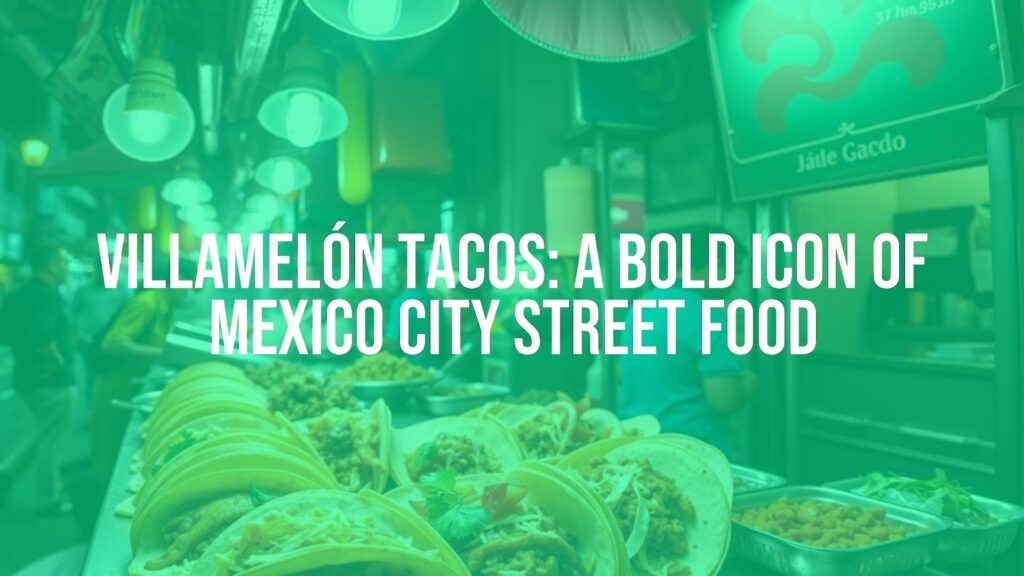
Villamelón Tacos: A Bold Icon of Mexico City Street Food
Introduction to Villamelón Tacos
Villamelón tacos are a distinctive and hearty offering from the bustling taquerías of Mexico City. These tacos stand out for their robust combination of meats and their deep connection with local culinary traditions. Known for being rich, savory, and generously portioned, Villamelón tacos have carved out a unique niche in Mexico City’s vibrant street food landscape.
History and Cultural Roots
The name “Villamelón” traces back to the term villamelón, a slang word in Mexico for die-hard fans who cluster around bullfighting arenas, hoping to catch a glimpse of the action even without tickets. Their gatherings outside the plaza de toros gave birth to unique food stalls, which are believed to have invented or popularized this taco. The construction of Villamelón tacos symbolizes the confluence of working-class ingenuity and urban appetite, reflecting a tradition of resourcefulness and communal enjoyment of food.
Key Ingredients and Composition
The defining characteristic of a Villamelón taco is its generous, meaty filling—a fusion of steak (cecina, a type of salted, dried beef), chorizo, and sometimes thin strips of pork rind (chicharrón). All of this is grilled together on a hot plancha until the chorizo releases its bright red oil, infusing everything with flavor. The filling is served atop large, pliable corn tortillas, which are sturdy enough to hold the substantial contents.
Flavor, Texture, and Appearance
Villamelón tacos deliver an intense beefy flavor, complemented by the smokiness of chorizo and the sometimes crispy, sometimes chewy bite of chicharrón. The blend of salty, spicy, and savory elements creates a multi-layered taste experience. Visually, Villamelón tacos are striking, with vibrant red oils from the chorizo and a substantial mound of meat that distinguishes them from simpler taco varieties. These are tacos made for those with a hearty appetite.
Regional and Contemporary Variations
While the original formula focuses on cecina and chorizo, some taquerías may introduce different regional sausages, switch in grilled steak instead of cecina, or add roasted onions for extra sweetness. Pork rinds might vary in texture and preparation, and adventurous cooks sometimes top these tacos with cheese or nopal (cactus paddles). Vegetarian versions are uncommon but possible, substituting mushrooms and seasoned soy products to recreate the meaty essence.
Popular Accompaniments and Serving Suggestions
Villamelón tacos are traditionally garnished with chopped onions, fresh cilantro, and a squeeze of lime. Salsa is a must, often ranging from smoky chipotle to bright tomatillo or fiery habanero, accentuating the taco’s robust flavors. Radishes and grilled scallions often appear alongside for a crisp counterpoint, and pickled jalapeños are a popular extra.
For drinks, a cold agua fresca or a Mexican beer is the classic pairing, as both help cut through the richness of the taco while refreshing the palate. Some prefer a tangy soda for a touch of sweetness.
Villamelón Tacos in Modern Cuisine
Today, Villamelón tacos remain closely tied to stadiums and street food culture in Mexico City. Their size and flavor have helped them gain a dedicated following far beyond the plaza de toros. They exemplify the inventive spirit of Mexican cooks—crafting memorable, satisfying meals from humble ingredients and lively settings. Whether enjoyed late at night or as a centerpiece of a casual meal, Villamelón tacos continue to stand as a testament to Mexico City’s irresistible taco traditions.
