
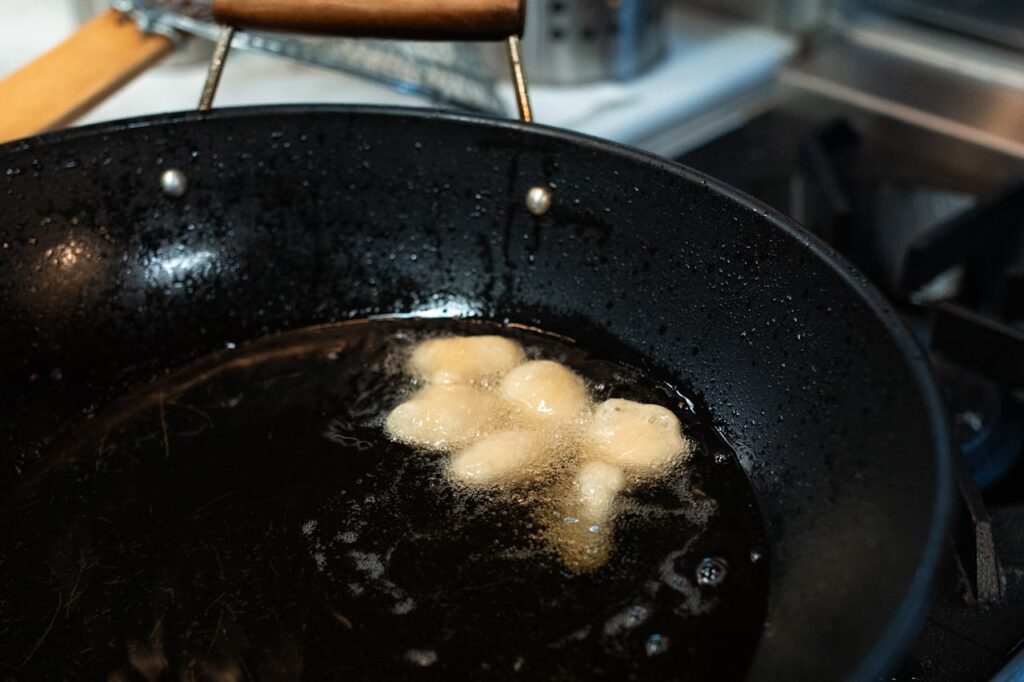
Fry oil is one of those ongoing costs that many restaurants quietly accept. It does not show up as a single large expense, but over time it takes a serious bite out of profits. With ingredient prices rising and margins getting tighter, restaurants are looking closely at where money is being wasted. One surprising answer is fry oil.
More restaurants are now proving that it is possible to reduce fry oil waste by as much as 60 percent without investing in new equipment. No new fryers. No expensive filtration systems. Just smarter habits, better training, and proven oil savings techniques.
The best part is that these changes do not only save money. They also improve food quality, consistency, and customer satisfaction.
Let’s look at how restaurants are doing it and how you can apply the same ideas in your kitchen.
Why So Much Fry Oil Is Wasted
Most fry oil is not discarded because it is completely unusable. It is thrown away because it degrades faster than it should. In many kitchens, oil breakdown happens due to avoidable mistakes.
Some of the most common reasons include overheating, poor cleaning routines, and food debris left in the fryer. When oil breaks down early, it darkens, smokes faster, and affects flavor. Staff often respond by dumping it and starting fresh, even though the oil could have lasted much longer.
Restaurants that focus on saving fry oil start by understanding that oil life is largely controlled by daily behavior, not equipment.
Better Temperature Control Makes a Huge Difference
One of the biggest oil killers is excessive heat. Many kitchens run fryers hotter than necessary, especially during busy hours. This speeds up oil oxidation and causes it to break down much faster.
Restaurants cutting oil waste set clear temperature standards and stick to them. Most foods fry perfectly between 170 and 175 degrees Celsius. Anything higher usually does more harm than good.
They also avoid turning fryers up to recover temperature faster. Instead, they allow oil to recover naturally. This single change alone can extend oil life by several days.
Lower heat equals slower breakdown and better tasting food. It is one of the simplest oil savings techniques available.
Daily Skimming Is Non Negotiable
Food particles are the enemy of clean oil. Crumbs, batter flakes, and burned bits continue to cook in the oil long after food is removed. This accelerates oil degradation and causes bitter flavors.
Restaurants that successfully save fry oil make skimming part of the daily routine. Not once per shift. Not when someone remembers. They skim frequently, especially during high volume periods.
Some kitchens assign skimming as a specific task during peak hours. Others include it in prep checklists. The result is cleaner oil that lasts longer and produces more consistent results.
This habit costs nothing but discipline, yet it delivers immediate savings.
Smarter Filtration Without New Machines
Even without automated filtration systems, restaurants can dramatically improve oil life through better filtration habits.
Manual filtering at the end of the day removes carbon buildup and food debris that would otherwise continue breaking down the oil overnight. The key is consistency.
Restaurants reduce waste filter oil on a fixed schedule. Daily for high volume fryers and at least every other day for lower use units. They also make sure oil cools slightly before filtering, which helps trap more particles.
Used correctly, basic filtration tools already in the kitchen are enough to extend oil life significantly.
Train Staff to Respect the Oil
One of the biggest changes successful restaurants make is cultural. They treat oil like an ingredient, not a utility.
Staff are trained to avoid dropping ice, water, or frozen clumps into hot oil. Moisture causes oil to break down faster and increases splatter. Employees are also taught to shake off excess breading before frying and avoid overloading baskets.
Small actions add up. When everyone understands how their behavior affects oil life, waste drops fast.
Restaurants that focus on training often find they save fry oil without even trying. Awareness alone changes habits.
Use Oil Rotation Instead of Oil Replacement
Another effective strategy is oil rotation. Instead of dumping oil completely, restaurants top up with fresh oil gradually. This refreshes the fryer while keeping usable oil in circulation.
The key is not to mix severely degraded oil with fresh oil. Restaurants that monitor oil quality closely rotate oil before it reaches the point of heavy breakdown.
This approach stabilizes oil quality, improves consistency, and reduces the number of full oil changes required each month.
When done properly, oil rotation helps save fry oil while maintaining food standards.
Match Foods to the Right Fryer
Different foods stress oil in different ways. Breaded items, battered foods, and heavily seasoned products release more particles and accelerate oil breakdown.
Restaurants cutting waste often dedicate specific fryers to specific food types. For example, fries in one fryer and breaded chicken in another.
This prevents flavor transfer and reduces contamination. Oil stays cleaner for longer, especially in fryers used for simpler items like potatoes.
This change requires planning, not equipment, and delivers noticeable oil savings.
Clean Fryers More Often Than You Think
Dirty fryer walls and heating elements continuously contaminate oil. Burnt residue flakes off and mixes into the oil, even after fresh oil is added.
Restaurants that reduce waste clean fryers on a regular schedule, not just during oil changes. Wiping down fryer sides and removing buildup prevents ongoing contamination.
A cleaner fryer protects the oil and improves efficiency. It also reduces flavors and smoke.
This is one of the most overlooked oil savings techniques in busy kitchens.
Monitor Oil Quality With Simple Visual Checks
You do not need digital sensors to know when oil is degrading. Many restaurants rely on simple visual and smell checks.
Dark color, excessive smoke, and bitter odor are clear signs oil is breaking down. Restaurants that monitor these signs daily avoid dumping oil too early or too late.
Some kitchens use basic test strips, but even without them, consistent checks help teams make better decisions and reduce unnecessary waste.
The Real Financial Impact of Saving Fry Oil
When restaurants implement these practices together, the results are impressive. Cutting oil waste by 50 to 60 percent can save thousands of dollars per year, especially for high volume operations.
Beyond cost savings, kitchens see better food quality, more consistent frying, and fewer complaints about greasy or bitter flavors.
Saving oil also supports sustainability goals by reducing waste and lowering disposal costs. That is an added benefit many customers appreciate.
Final Thoughts
Restaurants do not need new equipment to cut fry oil waste. They need better habits, clearer standards, and staff who understand why oil care matters.
By controlling temperature, skimming consistently, filtering regularly, and training teams properly, kitchens can extend oil life dramatically. These oil savings techniques are already being used by successful restaurants around the world.
If you want to save fry oil, start with small changes today. The results will show up faster than you expect, both in your food quality and your bottom line.
